How I Finally Got Smart About Risk and Built Real Wealth
Let me tell you something I wish I’d known 10 years ago: building wealth isn’t about chasing returns—it’s about not losing money first. I learned this the hard way, after jumping into “hot” investments that blew up. That’s when I started asking real questions: What’s my risk tolerance? What could go wrong? This article walks through how I shifted from reckless bets to a smarter, more balanced way of managing money—one that puts safety before splash. It’s not about fear. It’s about clarity, control, and confidence. And it’s a shift anyone can make, no matter their starting point.
The Wake-Up Call: Why Risk Assessment Changed Everything
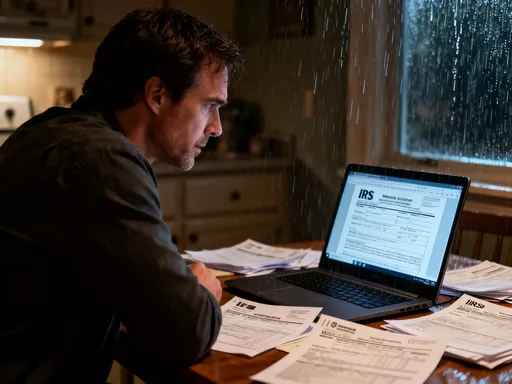
For years, I equated investing with picking the next big stock. I followed market trends, watched financial news, and placed bets on what seemed promising. I told myself I was being proactive, but in truth, I was gambling. I had no plan, no guardrails, just hope. Then came 2018, when a sharp market correction hit. A portfolio I had built over 18 months—largely in tech and emerging market funds—lost nearly 30% of its value in just two months. That loss wasn’t just a number on a screen. It was months of saved income, delayed vacations, and careful budgeting wiped out almost overnight. I felt stunned, embarrassed, and angry at myself. How could I have been so careless?
That experience was my wake-up call. I realized that chasing high returns without understanding the downside was like driving fast without brakes. I had focused entirely on the upside, ignoring the fact that markets move in cycles and losses are inevitable. What I didn’t lose in dollars, I lost in confidence. I stopped checking my accounts for weeks. I avoided financial conversations. I felt defeated. But eventually, I decided to confront the discomfort. I started reading about risk management, not as a theoretical concept, but as a personal necessity. I discovered that professional investors don’t succeed because they predict the future—they succeed because they prepare for uncertainty. That shift in mindset changed everything. I began to see risk not as a threat, but as a variable I could measure, manage, and mitigate. I started asking different questions: What am I protecting? What would happen if I lost 20%, 30%, or even 50% of my portfolio? How would that affect my life, my family, my goals? These weren’t pleasant questions, but they were necessary.
Over time, I came to understand that risk assessment isn’t about avoiding risk altogether—it’s about making informed choices. It’s about aligning your investments with your real-life circumstances, not market hype. For me, this meant accepting that I wasn’t built for extreme volatility. I didn’t want to lose sleep over my portfolio. I wanted steady, sustainable growth. That clarity allowed me to build a strategy that matched my personality and priorities. It wasn’t flashy, but it was honest. And that honesty became the foundation of everything that followed.
What Risk Assessment Really Means (And Why It’s Not Just for Experts)
Many people assume that risk assessment is something only financial advisors or Wall Street professionals do. They imagine complex algorithms, stress tests, and economic forecasts. But in reality, personal risk assessment is much simpler. It’s about understanding your own financial reality: your income, your expenses, your goals, and your emotional capacity to handle loss. It’s asking honest questions and being willing to accept the answers. For example: How would I react if my investments dropped 20% tomorrow? Would I sell in panic, or would I stay the course? Do I have enough emergency savings to cover six months of living expenses? Am I dependent on a single source of income? These aren’t hypotheticals—they’re practical checkpoints that help you define your true risk tolerance.
I started by writing down my financial picture: my monthly income, fixed expenses, debts, savings, and investment accounts. Then I added personal factors: my age, my health, my job stability, and my long-term goals like retirement, my children’s education, and home ownership. I also reflected on my emotional responses to money. I realized that I’m more risk-averse than I had admitted. When I saw losses, I didn’t feel challenged—I felt anxious. That self-awareness was powerful. It told me that a high-risk portfolio might deliver higher returns on paper, but it would cost me in stress and sleepless nights. So I adjusted. I shifted a larger portion of my investments into stable, diversified funds and reduced exposure to speculative assets. I didn’t eliminate risk, but I brought it into balance with my real-life needs.
Risk assessment also helped me clarify my time horizon. I used to think all investing was long-term, but the truth is, different goals have different timelines. My retirement is 20 years away—that’s a long horizon, allowing for more growth-oriented investments. But my daughter’s college fund? That’s only 10 years out. That shorter window means less room for recovery if markets fall. So I structured that account more conservatively, using a mix of bonds and dividend-paying stocks. By matching my investments to my goals, I reduced unnecessary risk. I also started viewing risk as dynamic, not static. Life changes—jobs, marriages, health, market conditions—and so should your risk assessment. I now review my financial plan every six months, adjusting as needed. This habit keeps me aligned with reality, not fantasy.
The Hidden Risks Most People Ignore (But Shouldn’t)
When we think about financial risk, we often focus on the stock market. But there are many other threats that can quietly erode wealth. One of the biggest blind spots I had was job dependency. I was earning a solid income, but it all came from one employer in one industry. If I lost that job, my entire financial plan would collapse. I hadn’t considered how vulnerable that made me. Then a colleague was laid off unexpectedly. He had no side income, limited savings, and high monthly obligations. Watching him struggle was a wake-up call. I realized I needed to diversify not just my portfolio, but my income.
I started small. I took on freelance consulting work in my field, using skills I already had. It wasn’t much at first, but it built confidence. Over time, I developed a small online course and began earning passive income from digital sales. These streams weren’t meant to replace my job, but to provide a buffer. They gave me breathing room—if my main income were disrupted, I wouldn’t be starting from zero. I also began tracking lifestyle inflation, another hidden risk. As my income grew, so did my spending. New clothes, dining out, vacations—I told myself I deserved it. But those habits chipped away at my savings rate. I realized that without discipline, increased income doesn’t lead to wealth—it leads to higher expenses. So I set a rule: any raise or bonus would be split—50% to savings and investments, 30% to debt reduction, 20% to lifestyle. That simple rule kept me from outspending my progress.
Another overlooked risk is healthcare. I had insurance, but I didn’t fully understand the gaps. A family member faced unexpected medical bills that insurance didn’t cover. It was a reminder that even with coverage, health events can be financially devastating. So I increased my emergency fund and added a health savings account (HSA) to my benefits. I also reviewed my insurance policies—life, disability, and long-term care—to ensure they matched my current needs. These steps didn’t eliminate risk, but they reduced the potential damage. I learned that true financial security isn’t just about investment returns—it’s about building layers of protection against life’s uncertainties.
Building a Risk-Aware Wealth Strategy: My Step-by-Step Approach
Once I understood my risks, I needed a strategy to manage them. I started by categorizing my money into three buckets: safe, growth, and opportunity. The safe bucket holds my emergency fund, short-term savings, and low-risk assets like high-yield savings accounts and short-term bonds. This money is protected from market swings and available when I need it. The growth bucket is for long-term goals like retirement. It includes a diversified mix of index funds, ETFs, and dividend stocks. I rebalance this portfolio annually to maintain my target allocation. The opportunity bucket is the smallest—about 10% of my investable assets. It’s for calculated risks: real estate crowdfunding, small business investments, or early-stage startups. I only use money I can afford to lose.
This three-bucket system gives me clarity and discipline. It prevents me from putting all my money in one place and helps me align each dollar with a purpose. I also set clear rules for each bucket. For example, I never withdraw from the growth bucket for short-term needs. If I need cash, I go to the safe bucket first. If that’s not enough, I reassess the urgency before touching long-term investments. I also use dollar-cost averaging to invest in the growth bucket, buying small amounts regularly regardless of market conditions. This reduces the risk of buying at a peak and smooths out volatility over time.
Another key part of my strategy is insurance. I used to see it as a cost, not a tool. But now I view it as essential risk management. I have term life insurance to protect my family, disability insurance to replace income if I can’t work, and umbrella liability coverage for unexpected legal risks. These policies don’t generate returns, but they prevent catastrophic losses. I review them annually to ensure they still fit my situation. I also keep my debt under control. I pay off credit cards in full each month and avoid high-interest loans. If I borrow, it’s for appreciating assets like a home, not depreciating ones like cars or vacations. This disciplined approach keeps my financial foundation strong, even when markets are weak.
Tools That Help Me Stay on Track (Without Overcomplicating It)
In the past, I tracked my finances on paper spreadsheets. It worked, but it was time-consuming and easy to fall behind. Then I discovered personal finance apps that sync with my bank accounts, credit cards, and investment platforms. These tools give me a real-time view of my net worth, spending patterns, and asset allocation. I use one app to monitor my budget and another to track investment performance. I don’t rely on them blindly—I review the data monthly and adjust for accuracy—but they save me hours of manual work. The key is simplicity. I don’t use every feature. I focus on the basics: income, expenses, savings rate, and net worth trends.
I also created a simple spreadsheet to track my risk exposure. It lists my assets, liabilities, insurance coverage, and emergency fund status. Every quarter, I update it and answer a few key questions: Has my income changed? Have my goals shifted? Are there new risks I need to address? This quarterly “risk check-in” keeps me proactive. It’s like a financial tune-up—quick, routine, and preventive. I also set calendar reminders for annual reviews: insurance policies, retirement account contributions, tax planning, and estate documents. These habits ensure I don’t neglect important tasks in the busyness of daily life.
One of the most helpful tools has been a goal tracker. I write down my financial goals—short, medium, and long-term—and assign target dates and amounts. For example, “Save $20,000 for home renovation by 2026” or “Grow retirement account to $500,000 by 2035.” I review this list quarterly and mark progress. Seeing movement toward my goals keeps me motivated. It also helps me prioritize. If a new expense comes up, I ask: Does this move me closer to my goals or further away? This simple question has changed my spending habits. I’m more intentional, less impulsive. These tools don’t make me rich overnight, but they keep me on track, focused, and in control.
When to Take Risk (And When to Walk Away)
Risk isn’t the enemy. In fact, some risk is necessary to build wealth. The key is knowing when to lean in and when to hold back. I used to swing between extremes—either avoiding all risk or diving in headfirst. Now I take a more balanced approach. Before any new investment or financial decision, I ask three questions: What’s the worst that can happen? Do I have a backup plan? Can I afford to lose this money? If I can’t answer yes to all three, I walk away.
For example, I considered investing in a friend’s startup. The idea sounded exciting, and the potential returns were high. But after reviewing the business plan, I realized the market was crowded, the funding was uncertain, and my friend had no prior experience. The worst-case scenario? I could lose my entire investment. I didn’t have a backup plan, and the amount was more than I could comfortably lose. So I declined. It wasn’t easy—saying no to someone I cared about—but it was the right financial decision. On the other hand, I did invest in a real estate crowdfunding platform. I had done my research, understood the fees and risks, and allocated only a small portion of my portfolio. Even if the investment failed, it wouldn’t derail my overall plan. That’s the difference between reckless and calculated risk.
I also apply this thinking to career moves. When I was offered a higher-paying job with a startup, I evaluated the trade-offs. The salary was attractive, but the company was unstable, and I’d lose health benefits. The potential upside wasn’t worth the risk to my family’s security. I turned it down and stayed in my current role while building side income. Later, when a stable company offered a similar salary with better benefits, I accepted. These decisions weren’t about playing it safe—they were about playing it smart. I’ve learned that real wealth isn’t built in moments of boldness, but in consistent, thoughtful choices.
The Long Game: How Risk Control Leads to Real Wealth
Looking back, the biggest change hasn’t been in my net worth—it’s in my peace of mind. I’m not chasing hot stocks or trying to time the market. I’m not stressed about daily fluctuations. My portfolio grows steadily, not spectacularly, but it’s resilient. When markets dip, I don’t panic. I check my plan, stay the course, and keep saving. That consistency compounds over time. I’ve also become more intentional with my money. I spend less on things that don’t matter and invest more in what does—my family, my health, my future.
Risk control isn’t a one-time task. It’s a lifelong practice. It requires honesty, discipline, and regular review. But the payoff is real: financial stability, reduced stress, and the freedom to focus on what truly matters. I’ve learned that protecting what you have is the first step to building what you want. Wealth isn’t about getting rich quick—it’s about staying rich, staying safe, and staying in control. And that’s a lesson worth learning, no matter your age or income level.