Cut My Family’s Monthly Expenses by Half: The Smart System That Keeps What Matters Safe
Remember that sinking feeling when an unexpected bill hits, or something precious gets lost or damaged? I’ve been there—juggling budgets, worrying about my kids’ safety, and stressing over rising energy costs. But everything changed when I started using everyday tech not just for convenience, but as a quiet guardian for our home and savings. It’s not about fancy gadgets—it’s about simple, smart choices that protect what we love most. Let me show you how we made it work.
The Moment Everything Clicked: When Protection Met Practicality
It started with a small leak under the kitchen sink. Nothing dramatic—just a slow drip I noticed one morning while packing school lunches. But that tiny puddle led to a flooded cabinet, warped flooring, and a repair bill that wiped out our grocery budget for the month. I remember standing there, staring at the soaked baseboards, thinking, How did we not catch this sooner? That moment was a wake-up call. We were careful with our money, tracking every dollar, but we weren’t protecting it from the things we couldn’t see.
At the same time, my youngest nearly wandered out the front door during a delivery. The doorbell rang, I turned to answer it, and in that split second, she slipped past me—barefoot and giggling—down the driveway. Thankfully, I caught her quickly, but my heart didn’t stop racing for hours. That’s when I realized: our home wasn’t just a place we lived. It was the foundation of our family’s safety, comfort, and future. And we were leaving too much to chance.
I didn’t want a high-tech fortress. I wanted something simple, something that worked quietly in the background—like a second set of eyes, a smarter version of common sense. That’s when I began exploring how everyday technology could do more than entertain or automate. What if it could actually protect us? Not just from break-ins or fires, but from the slow leaks—both literal and financial—that drain families dry?
So I started small. I bought a water leak sensor—about the size of a matchbox—and placed it under the sink. It connected to my phone, and within a week, it sent me an alert. Same spot. Same slow drip. But this time, I caught it in time. No damage. No repair bill. Just a quick call to the plumber and a sense of relief so deep it surprised me. That little device didn’t just save us money. It gave me back a piece of my peace of mind. And that’s when I knew: this wasn’t about gadgets. It was about care.
Building a Safety Net That Saves Money: How Small Tech Adds Up
Once I saw how one small device could prevent a costly mistake, I started looking at our home differently. Instead of seeing bills and chores, I began seeing patterns—areas where small oversights could snowball into big expenses. And I realized that technology, when used thoughtfully, could act like a financial safety net, catching problems before they escalated.
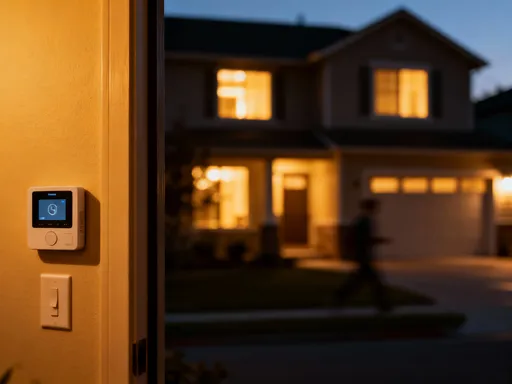
Take energy use, for example. Like many families, we had no real idea how much power we were using—or where it was going. Our electric bill fluctuated wildly, and we never knew why. I’d walk through the house turning off lights, but the numbers still climbed. Then I got a smart energy monitor. It didn’t change anything about our appliances, but it changed everything about how we used them. With real-time feedback, I could see exactly which devices were drawing power—even when turned off.
Turns out, our “off” wasn’t really off. The coffee maker, the TV, the gaming console—they were all sipping energy 24/7. We called it “vampire power,” and once we named it, we could fight it. I started using smart plugs to cut power completely when devices weren’t in use. I set schedules so the living room lights turned off at 9 p.m., and the kids’ nightlights went out by 10. We didn’t have to remember. The system did it for us.
The results showed up fast. Our next electric bill was 28% lower. Not because we were sacrificing comfort, but because we were finally in control. And it wasn’t just about electricity. A smart thermostat learned our family’s routine and adjusted the heat automatically. No more cranking it up in the morning only to forget and leave it on all day. It saved us about $30 a month—money that went straight into our emergency fund.
Motion-sensing lights in the garage and backyard did more than deter strangers. They stopped my kids from leaving the door wide open while playing outside, which used to send our heating costs soaring in winter. And a smart irrigation system for the garden? It checked the weather forecast and skipped watering when rain was coming. No more overwatering, no more wasted water fees.
Each of these tools cost less than $50. None of them required rewiring or professional installation. And together, they created a quiet system that watched over our home, our habits, and our budget. The best part? They worked whether I was thinking about them or not. That’s the power of smart tech—not doing more, but doing it right, without effort.
Protecting What’s Priceless: Tech That Guards Family and Memories
We save money to give our families a better life. But what about the things money can’t replace? The videos of my daughter’s first steps. The scanned copies of my grandmother’s recipes. The school photos, the handwritten notes, the birthday cards. These aren’t just files. They’re pieces of our story.
Two years ago, my phone fell into the bathtub. It was dead within seconds. I lost everything—photos, messages, contacts. I thought I’d backed things up, but I hadn’t been consistent. That loss hurt more than I expected. It wasn’t just data. It was moments I’d never get back.
That’s when I set up automatic cloud backups for every device in the house. Now, every photo, every document, every voice memo is saved securely online the moment it’s created. I didn’t do it because I love technology. I did it because I love my family. And I never want to face that kind of loss again.
But it’s not just about memories. It’s about safety, too. A smart doorbell with a camera changed how I feel about being away from home. When the babysitter arrives, I get a notification with a live image. I can see who’s at the door, even if I’m at the grocery store. I don’t have to worry about strangers, or wonder if the kids answered the door alone.
And when my husband travels for work, he can check in too. A quick glance at the app tells us both that the house is secure, the kids are playing safely, and the dog is napping on the couch—exactly where he should be. It’s not about spying. It’s about reassurance. It’s knowing that even when we’re apart, we’re still connected.
We also created a digital family vault—a secure, password-protected space where we store important documents: birth certificates, insurance policies, medical records, even our wills. No more scrambling through filing cabinets during an emergency. Everything is organized, encrypted, and accessible from anywhere. I once accessed our homeowner’s insurance details from a coffee shop while dealing with a storm damage claim. It took five minutes instead of five hours.
These tools don’t make us paranoid. They make us prepared. And that preparation brings a kind of calm that’s hard to describe—like knowing your seatbelt is on before the car even starts moving.
Customizing Tech to Fit *Our* Life—Not the Other Way Around
When I first looked into smart home tech, I worried it would feel cold, complicated, or intrusive. I didn’t want to live in a house that dictated our routine. I wanted one that adapted to us. So I made a rule: if it doesn’t make life easier, it doesn’t stay.
That meant personalizing everything. For example, our voice assistant doesn’t just play music or set timers. I programmed it to announce, “It’s bedtime!” at 8 p.m. for the kids, followed by their favorite lullaby. They don’t fight it—they look forward to it. It’s become part of our rhythm, not a disruption.
We also set up family-specific alerts. My husband gets a notification when the garage door is left open. I get one when the laundry is done. The kids get a gentle chime when their screen time is about to end—no yelling, no arguments. It’s like having a helper who knows each of us individually.
One of the most useful tools has been shared digital accounts with spending limits. We gave our teens a family debit card linked to an app. They can use it for school trips or snacks, but we set monthly caps and get instant alerts for every purchase. It’s not about control. It’s about teaching responsibility. They learn to manage money, and we don’t have to panic about surprise charges.
And when life gets busy—because it always does—our system keeps running. I can adjust the thermostat from my phone if dinner runs late. I can turn off lights remotely if I forget. I can check the front door camera if I hear a noise while working from home. The tech doesn’t take over. It supports. It gives us back time, energy, and attention—so we can focus on each other.
Teaching Kids the Value of Safety and Savings—With Help from Tech
One of my biggest goals as a mom isn’t just to raise happy kids, but responsible ones. I want them to understand that safety and savings aren’t chores—they’re acts of care. And surprisingly, technology has become one of our best teachers.
We started with a simple energy tracker app that shows our daily power use as a color: green for low, yellow for medium, red for high. The kids love checking it, almost like a game. If we’re in the red, they race to unplug devices or turn off lights. They feel proud when we hit a green day. It’s not about fear or guilt. It’s about teamwork.
We also use screen time limits with rewards. Instead of saying, “You’ve had enough TV,” we set a daily goal. If they finish homework and help with chores, they earn extra minutes. The app handles the tracking, so I’m not the bad guy. They learn balance, and I don’t have to nag.
Safety lessons have become easier too. A smart smoke detector sends alerts to our phones. I showed the kids how it works and said, “This is how our house takes care of us.” Now, when they hear the test beep, they remind me to check the battery. They feel involved, not scared.
And when we review our monthly savings from lower bills, we celebrate. We call it our “family win.” Sometimes we use the money for a movie night or a picnic. The kids see the direct result of our smart choices. They understand that saving isn’t about going without—it’s about making room for more of what we love.
Avoiding the Overwhelm: Starting Small Without Sacrificing Results
I’ll be honest—when I first started, I felt overwhelmed. There are so many devices, so many brands, so many promises. It’s easy to fall into the trap of thinking you need to “smarten” every corner of your home. But that’s not how this works.
What made the difference for us wasn’t buying everything at once. It was starting with one problem. For us, it was water leaks. Once we solved that, we moved to energy. Then security. Then digital safety. Each step built on the last, and each success gave us confidence to keep going.
I also learned to ignore the hype. I didn’t buy the most expensive or feature-packed devices. I looked for reliability, ease of use, and real-world value. A $20 leak sensor that works is better than a $100 one that confuses everyone.
And I accepted that not every room needed upgrading. Our attic still has a manual light switch. Our guest bathroom doesn’t have smart controls. That’s okay. The goal wasn’t perfection. It was progress. It was creating a home that protects us without demanding constant attention.
My advice? Pick one area that stresses you out—your electric bill, your forgotten chores, your worry about safety—and start there. Find one tool that solves that problem. Test it. Get comfortable. Then, and only then, consider the next step. Small, consistent actions create lasting change.
A Calmer, Smarter Home: How We Gained More Than Just Savings
Looking back, the biggest change wasn’t the lower bills—though I won’t complain about cutting our monthly expenses nearly in half. The real transformation was in how we feel at home. There’s less stress. Fewer arguments about forgotten tasks. Less anxiety about the unknown.
Our home doesn’t just shelter us. It supports us. It reminds us to save, to stay safe, to take care of what matters. And because the system runs quietly in the background, we’re freer to be present—with our kids, with each other, with ourselves.
I used to feel like I was always catching problems after they happened. Now, I feel prepared. I feel in control. And that sense of calm has rippled into every part of our lives. We laugh more. We worry less. We’re not perfect, but we’re more at peace.
Technology didn’t fix everything. But it gave us tools to protect what we’ve worked so hard to build—a safe, loving, joyful home. And that, more than any dollar saved, is the real reward.