Tired of Tossing and Turning? This Smart Music Trick Finally Gave Me Peaceful Sleep
Ever lie in bed, mind racing, while your phone blares loud music you forgot to turn off? I’ve been there—until I discovered how today’s smart music systems can quietly adapt to my sleep needs. No more jarring alarms or forgotten playlists. With simple tweaks, my bedroom became a calm sanctuary. This isn’t about fancy tech—it’s about smarter, gentler control that fits real life. It’s not magic. It’s not a miracle cure. It’s just thoughtful technology finally catching up to what we’ve always needed: a little peace, a little quiet, and a night that truly feels like rest.
The Midnight Struggle: When Your Music Works Against Your Sleep
Let’s be honest—how many of us have fallen asleep to music only to wake up in a panic at 2 a.m., heart pounding, because some upbeat pop song decided to kick in out of nowhere? I used to do this all the time. I’d drift off to a soft acoustic playlist, comforted by the gentle strumming, only to be jolted awake by a sudden drumbeat from a song I didn’t even remember adding. It wasn’t just startling—it disrupted my entire night. I’d lie there, wide awake, my brain now fully online, replaying grocery lists and yesterday’s conversations. That’s when I realized: my sleep aid had become my sleep enemy.
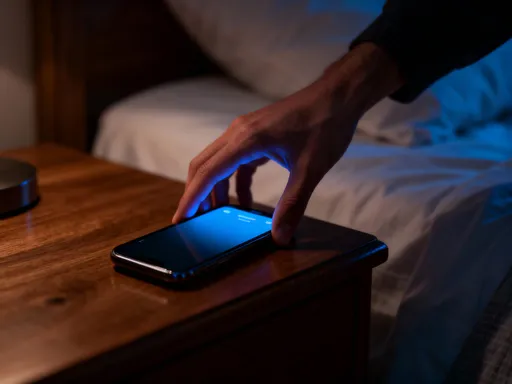
And it wasn’t just the music. My phone would die halfway through the night, cutting off the playlist and leaving me in sudden, unsettling silence. Or worse, I’d leave the speaker on all night, draining the battery and filling the room with sound long after I was asleep. I wasn’t alone in this. A lot of women I’ve talked to—mothers, professionals, caregivers—tell the same story. We turn to music because we’re tired, stressed, or just need a little help switching off. But without the right tools, it backfires. The very thing meant to calm us ends up adding to our exhaustion.
What made it worse was the guilt. I’d think, Why can’t I just fall asleep like I used to? Why do I need help just to rest? But the truth is, our lives are louder now—mentally, emotionally, and literally. The kids are still buzzing from school, the laundry’s piled up, and our minds are racing with everything we didn’t finish today. We need support, not judgment. And that’s when I started wondering: what if the problem wasn’t me? What if it was just the way I was using music?
From Noise to Calm: How Smart Music Systems Learn Your Rhythm
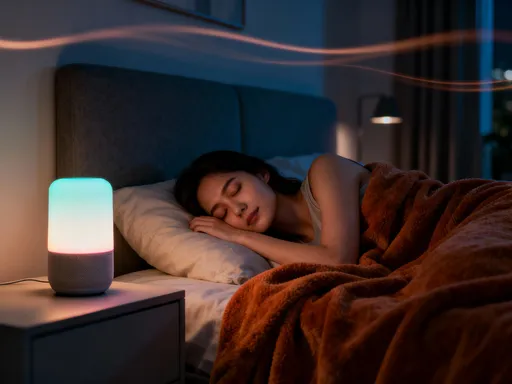
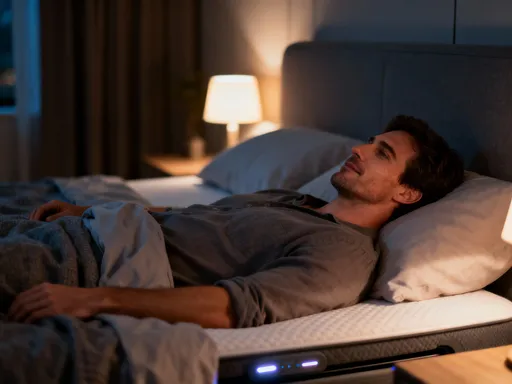
That’s when I discovered smart music systems—not the kind that just play louder or have more bass, but the kind that actually listen to you. These aren’t just speakers. They’re designed to understand your habits, your bedtime routine, even the way your breathing slows as you drift off. One night, I set my smart speaker to play soft piano music and added a simple command: “Fade out after 30 minutes.” I didn’t have to remember to turn it off. I didn’t have to wake up and fumble for my phone. The music just… softened. Gently. Naturally. Like a lullaby that knew when to end.
What surprised me most was how much more rested I felt the next morning. It wasn’t just about avoiding a loud song in the middle of the night—it was about the feeling of being cared for. Like the room itself was helping me wind down. These systems use subtle automation: they can detect when the house is quiet and lower the volume, or recognize when you’ve been still for a while and assume you’re asleep. Some even adjust based on ambient noise—like if the dog barks or a car passes by—so the music fills in the gaps without overwhelming you.
It’s not about replacing human comfort. It’s about giving yourself a little more space to breathe. Think of it like an automatic nightlight—only instead of light, it’s sound. Instead of turning on when it’s dark, it fades away when you’re ready to rest. And the best part? You don’t have to think about it. You set it once, and it learns. Over time, it gets better at knowing what you need, almost like a quiet friend who just gets it.
One Tap, Total Control: Customizing Sleep Playlists That Actually Work
Now, I know what you might be thinking: “I already have a sleep playlist.” So did I. But having a playlist isn’t the same as having control. My old playlist was just a random mix of calming songs—some too energetic, others too long, none of them designed with actual sleep science in mind. The game-changer came when I started using apps that let me set rules for how the music behaves. Not just what plays, but how it plays.
For example, I now have a sleep playlist that automatically fades out after 25 minutes. I’ve set it to only play acoustic or instrumental tracks—no sudden lyrics to pull me back into my thoughts. I even added a rule that says “stop after this album,” so there’s no risk of it jumping to something upbeat later. These aren’t complicated settings. They’re simple choices that make a huge difference. And the apps guide you through it—no tech degree required.
I remember showing this to my sister, who laughed and said, “Wait, my speaker can do that?” I said, “Yes—and you can set it up while brushing your teeth.” That’s the beauty of it. You don’t need to be a gadget guru. You just need to know what helps you relax. Maybe it’s rain sounds. Maybe it’s classical guitar. Maybe it’s the sound of waves. Whatever it is, you can now build a playlist that respects your sleep, not disrupts it. And when you feel in control, you sleep deeper. It’s that simple.
Wake Up Gently: Alarms That Feel Like Sunlight, Not a Siren
Let’s talk about mornings. How many of us dread that moment when the alarm goes off? That harsh beep, that sudden jolt—it’s like being punched awake. I used to reach over and slap the snooze button, then lie there, groggy and resentful, for another 45 minutes. My whole morning was ruined before it even started. But what if your alarm didn’t feel like an emergency? What if it felt more like sunlight creeping through the curtains?
That’s exactly what smart wake-up alarms do. Instead of a jarring sound, they start with soft music—something peaceful, like a slow piano piece or gentle acoustic guitar. The volume gradually increases over a few minutes, so you wake up naturally, not abruptly. Some systems even sync with your sleep cycle, aiming to wake you during a lighter sleep phase, so you feel more refreshed.
I started using a wake-up playlist that begins with a soft violin melody and slowly builds into a warm, uplifting song. No shock. No stress. Just a gentle nudge into the day. And you know what? I’ve started waking up before the alarm more often. My body seems to know it’s time, and I rise feeling calmer, more centered. It’s changed my relationship with mornings. Instead of dreading them, I now look forward to that quiet, peaceful transition from sleep to wakefulness. It’s a small thing, but it sets the tone for the whole day.
Peace of Mind for the Whole Household: Sharing Calm, Not Chaos
One of the best surprises has been how this simple change helped my whole family. I have two kids—one who needs quiet time to wind down, and another who likes to listen to soft stories before bed. Before, their routines clashed. One would want music, the other silence. I’d end up turning things on and off, trying to keep everyone happy. Now, each of them has their own bedtime routine on their own device. My daughter listens to a guided relaxation playlist that fades out after 20 minutes. My son uses a smart speaker in his room with a nature sounds setting that runs all night.
And my husband? He used to hate falling asleep to music. But he’s started using a white noise feature that blocks out the street noise, and he loves it. The best part? We’re no longer stepping on each other’s routines. The house feels calmer, more harmonious. No more arguments over volume, no more midnight disruptions. Just peaceful transitions into sleep for everyone.
It’s not just about convenience. It’s about creating a home environment where rest is respected. Where everyone can find their own kind of calm. And as a mom, that’s priceless. I’m not just managing bedtime—I’m nurturing a culture of rest in our home. That’s something no gadget can claim to do on its own. But with the right tools, it becomes possible.
No Tech Expertise Needed: Simple Setups That Work Without the Stress
I’ll admit, I was nervous at first. The word “smart” made me think of complicated apps, confusing settings, and devices that stop working for no reason. I didn’t want to spend my evenings troubleshooting tech. But the reality has been the opposite. Most of these systems are designed for people like us—busy, tired, just looking for a little help.
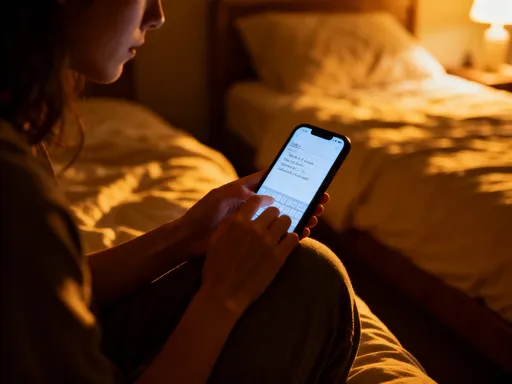
Setting up my sleep routine took less than ten minutes. I opened the app, selected “Bedtime Mode,” chose my playlist, and set the fade-out time. That’s it. Some systems even let you control everything with your voice. “Hey speaker, play my sleep music and fade out in 30 minutes.” Done. No menus. No frustration. Just simple, natural commands.
I’ve shown it to friends who said, “I could never figure that out.” And I tell them: you don’t have to. The apps walk you through it. There are pre-made settings for “deep sleep,” “light relaxation,” “focus,” and more. You just pick what fits, tweak it a little, and go. It’s not about mastering technology. It’s about using it to serve your life, not complicate it. And once it’s set, it runs on its own. You forget about it—until you realize how much better you’re sleeping.
Sleeping Smarter, Living Better: How Small Changes Create Lasting Calm
Here’s what I didn’t expect: better sleep didn’t just help me at night. It changed my days. I’m less irritable. I have more energy. I’m more present with my kids, my partner, my work. I don’t feel that constant low-level anxiety that used to follow me around like a shadow. I’m not exaggerating when I say this small change has had a ripple effect on everything.
Because rest isn’t just about closing your eyes. It’s about feeling safe, supported, and in control. And when technology helps you achieve that—without drama, without complexity—it becomes something more than a tool. It becomes a quiet companion in your well-being journey.
You don’t need to overhaul your life to find peace. Sometimes, it’s as simple as letting your music know when to stop. It’s about creating a bedtime routine that feels gentle, intentional, and kind. It’s about giving yourself permission to rest—really rest—without guilt or interruption.
So if you’re tired of tossing and turning, of waking up startled or drained, I want to invite you to try this. Not because you’re broken. Not because you need fixing. But because you deserve calm. You deserve nights that feel like sanctuary. And you know what? The technology is finally here to help you have them. All it takes is one small step. One tap. One gentle song that knows when to fade away. And from there, everything else can begin to change.