From Hesitant to Confident: How Digital Journaling Quietly Transformed My Days
You know that nagging feeling—like your thoughts are scattered, your days blur together, and you’re moving but not really growing? I felt that too. For years, I told myself journaling was for poets or overachievers. Then I tried a simple digital journal app, no pressure, just typing a few lines. What changed wasn’t dramatic—it was deeper. I started understanding myself better, feeling calmer, and showing up more fully in my days. This isn’t about perfection. It’s about presence. And it might be the easiest shift you make this year.
The Moment I Realized Something Was Missing
There was a time when I thought being busy meant I was doing well. I wore my full calendar like a badge of honor. Mornings started with a checklist, afternoons were back-to-back tasks, and evenings ended with a sigh and a glass of tea. On paper, I had it together. But inside? I felt like I was running on a treadmill—moving fast but going nowhere. I’d forget the small wins, like when my daughter told me I was her favorite cook, or the quiet joy of finishing a book in one weekend. Instead, I remembered only the frustrations: the spilled coffee, the forgotten appointment, the words I wish I hadn’t said.
One evening, after snapping at my partner over something tiny—something about the dishwasher being loaded wrong—I froze. I looked at his surprised face and felt a wave of shame. Why had I reacted so sharply? I wasn’t angry about dishes. I was tired. Overwhelmed. Disconnected. That moment shook me. I didn’t need another productivity hack or a new planner. I needed to understand myself. I needed clarity. And I remembered something my mom used to do: journaling. She’d sit with her notebook every night, scribbling in her looping handwriting. I’d always thought it was quaint, maybe even a little indulgent. But now, I wondered—could it help me?
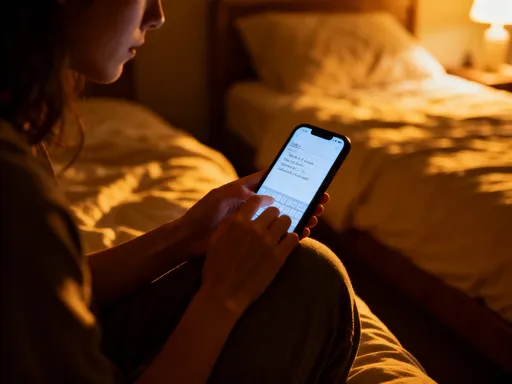
The idea of writing things down felt right, but the thought of using paper didn’t. A notebook felt too permanent, too demanding. What if I wrote something and regretted it? What if I stared at a blank page and nothing came? I wanted something softer, something more forgiving. That’s when I stumbled on digital journaling. No paper, no pen, just my phone and a few honest sentences. I didn’t have to write a novel. I didn’t have to write anything beautiful. I just had to show up. And that small shift—from paper to pixels—made all the difference. It wasn’t about writing well. It was about being real. And for the first time in a long time, I felt like I was finally listening to myself.
Why We Resist—And Why It’s Not About Writing
If you’ve ever thought, I’m not a writer, so journaling isn’t for me, I get it. I used to believe that too. We’ve been sold this image of journaling as something deep, poetic, almost sacred—pages filled with elegant handwriting and profound insights. But that picture? It’s not only unrealistic, it’s the very thing that keeps so many of us from starting. The truth is, journaling isn’t about writing. It’s about honesty. It’s about giving yourself permission to say, This is how I feel today, even if that feeling is messy, boring, or confusing.
The real reason we resist isn’t lack of time or talent. It’s fear. Fear that we’ll look back and see our worries as silly. Fear that we’re not doing life “right.” Fear that if we pay attention to our inner world, we’ll find something we don’t want to face. I felt all of that. But digital journaling changed the game because it removed the pressure. No blank page glaring at me. No need to carry a notebook in my bag. Just a few taps, and I could speak my thoughts into the phone, type a sentence, or even add a photo of the sky that made me pause.
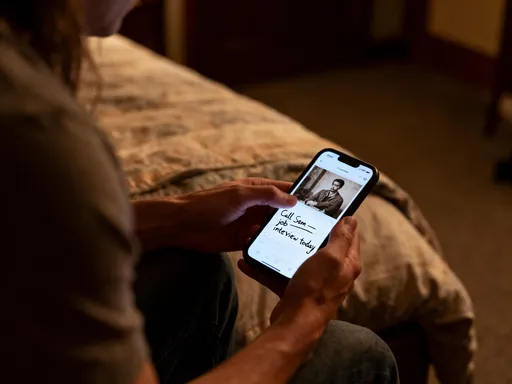
I started with something simple: Today felt heavy. That was it. Two lines. No explanation. No drama. But typing those words felt like releasing a breath I didn’t know I was holding. And that tiny act—just naming how I felt—opened a door. Slowly, I began to add more. I’m proud of how I handled that tough conversation. I miss my mom today. I laughed so hard at dinner—I forgot to care about the laundry. These weren’t essays. They were echoes of my real life. And the more I wrote, the more I realized: I wasn’t keeping a record of my days. I was rebuilding a relationship with myself. Digital tools didn’t make me a better writer. They made it safe to be human.
Finding the Right App—It’s About Fit, Not Features
When I first started looking for a journaling app, I got overwhelmed. So many options. So many promises. One app boasted AI-powered insights. Another offered mood tracking with colorful charts. A third had daily prompts like, What would your future self thank you for today? They all sounded impressive, but none felt like me. I downloaded three before I found the one that clicked. The first felt like a spreadsheet—cold, structured, too much like work. The second bombarded me with questions. By the third day, I was tired of answering, What are you grateful for? every single morning.
The third app? It was different. It didn’t try to impress me. It didn’t ask for much. It sent a gentle reminder at 8:30 p.m.—not pushy, just kind. The interface was clean, with soft colors and simple formatting. No distractions. Just space. It even had a feature where, every Sunday, it asked, What moment this week felt most like you? That question alone made me pause. It wasn’t about productivity or achievements. It was about presence. About being true to who I am.
What I learned is that the best app isn’t the one with the most features. It’s the one that makes you feel safe enough to open it. It’s the one that doesn’t make you feel like you’re failing if you miss a day. I don’t need analytics telling me I’ve been sad 63% of the week. I need a quiet corner where I can say, I’m tired, and know it’s okay. The right app feels like a friend who listens without judging, who sits with you in silence when that’s what you need. Now, when I tap the icon, it’s not a chore. It’s a homecoming. And that’s worth more than any high-tech gimmick.
Making It Stick—Tiny Habits That Build Trust
I’ll be honest—I didn’t start journaling every day. At first, I’d go a week, then skip three days, then write a long entry out of guilt. That cycle didn’t last. What changed wasn’t discipline. It was kindness. I stopped telling myself I should write more. Instead, I asked, What’s the smallest thing I can do today? The answer? Sixty seconds. After brushing my teeth at night, I’d open the app and type one sentence. Sometimes it was, I’m proud of how I spoke to my sister. Other times, it was, I hate this cold. It didn’t matter. What mattered was showing up.
Those tiny moments built trust. I began to see that journaling wasn’t a task to check off. It was a promise to myself. And like any good habit, I tied it to something I already did. Brushing my teeth. Pouring my morning coffee. Sitting in the parking lot before walking into work. These became my cues. I didn’t need motivation. I just needed a routine. The app’s reminder helped, but the real pull was how I felt afterward. Lighter. Clearer. Like I’d untangled a knot in my chest without even trying.
Over time, those 60-second entries grew. I started adding voice notes when I was too tired to type. I’d say, Today was hard, but I made it. Hearing my own voice, calm and steady, reminded me I was stronger than I thought. I didn’t force long entries. I let them come when they wanted. And slowly, journaling became less of a habit and more of a refuge. Not because I was perfect at it—but because I was patient with myself. And that patience? It spilled into the rest of my life. I became gentler with my kids. More forgiving of my mistakes. More present in my own skin.
Unexpected Gains—Clarity, Calm, and Self-Kindness
The changes didn’t happen overnight. But after a few weeks, I started to notice subtle shifts. I was less reactive. When my son left his shoes in the middle of the hallway—again—I took a breath instead of raising my voice. I realized I wasn’t angry at him. I was tired. And that awareness made all the difference. I could say, I need a moment, instead of lashing out. That pause, that clarity, came from journaling.
I also began to see patterns. Every Monday, I’d write, Feeling low energy. Then I noticed—I hadn’t slept well Sunday night. I was scrolling instead of winding down. Once I saw that, I changed my routine. No screens after 9 p.m. Simple, but powerful. Another pattern: I always felt calmer after a walk. Not a long one. Just ten minutes around the block. I started scheduling those walks, not as exercise, but as mental resets. The app didn’t tell me this. I saw it myself, over time, by reading back my entries.
But the biggest surprise was how I began to speak to myself. Before, I’d think, Why can’t you get it together? Now, I say, No wonder you’re tired—you’ve been juggling everything. That shift—from criticism to compassion—changed everything. I stopped seeing my emotions as problems to fix. I started seeing them as signals. Sadness? Maybe I need rest. Irritability? Maybe I’m hungry or overwhelmed. Journaling didn’t erase my stress, but it gave me tools to understand it. And with understanding came peace. Not a dramatic, life-altering peace. But a quiet, steady one. The kind that lets you breathe deeper, even on hard days.
Sharing When It Feels Right—Connection Without Exposure
I don’t share my journal entries. They’re for me, and that privacy is sacred. But what I do share are the insights. At dinner, I might say, I realized today that I’ve been stressed about deadlines, not the work itself. Or to my sister, I’ve been feeling lonely lately, even when I’m busy. These aren’t confessions. They’re connections. And each time I speak honestly, the people around me respond with their own truths. My husband said, I’ve been feeling that way too. My best friend admitted, I’ve been hiding how tired I am. In small ways, journaling helped me build deeper relationships—not by sharing the pages, but by living more authentically.
Some apps even let you export a single entry as a beautifully formatted note. I used that feature once, to send a message to my mom. I didn’t write a long letter. I just shared an entry where I wrote, I saw a cardinal today and thought of you. I miss your laugh. She called me that night, her voice soft. Thank you for telling me that, she said. I needed to hear it. That moment reminded me: our words matter. Even the quiet ones. Even the ones we start just for ourselves.
Journalling didn’t isolate me. It did the opposite. It helped me feel more connected—to myself, and through that, to others. Because when you take time to understand your own heart, you show up with more empathy. You listen better. You love more fully. And that, I’ve learned, is one of the greatest gifts we can give—not just to ourselves, but to the people we care about.
Your Turn—Start Where You Are, Not Where You “Should” Be
If you’re reading this and thinking, I don’t have time, I hear you. I used to say that too. But here’s what I’ve learned: journaling doesn’t take time. It gives it back. Those few minutes at night? They help me sleep better. They help me wake up clearer. They’re not a luxury. They’re a lifeline. And you don’t need perfect conditions. You don’t need a fancy app or a quiet house. You just need curiosity. And one sentence.
Try this: tonight, after you brush your teeth, open any app—your notes, a voice memo, a simple journaling tool—and type or say one thing. It can be, I’m tired. I’m proud of myself. I don’t know how I feel. That’s it. Close the app. That’s a win. You’ve started. You don’t need to write every day. You don’t need to write much. You just need to begin. Because the goal isn’t to create a masterpiece. It’s to create a quiet friendship with yourself—one where you listen, you care, and you show up, exactly as you are.
I didn’t think digital journaling would change my life. But it did. Not because it made me more productive or perfect. Because it helped me live with more awareness, more kindness, more presence. And if I can do it—juggling work, family, and a never-ending to-do list—so can you. This isn’t about adding one more thing to your plate. It’s about creating space to breathe, to reflect, to grow. Start small. Be gentle. And let the rest unfold, one honest sentence at a time.