I kept saying 'I'll start after coffee'—this morning tracker finally got me moving
Ever hit snooze one too many times, only to rush through your morning with no time for growth? You're not alone. I used to waste my best hours just trying to wake up. But when I started using simple tech to track my learning first thing in the morning, everything changed. It wasn’t about willpower—it was about timing, tools, and tiny wins that added up. This is how I turned my chaotic mornings into my most productive, peaceful, and personally rewarding part of the day—and how you can too.
The Morning Struggle: When "I’ll Start Later" Becomes "I Never Did"
Let’s be honest—how many times have you said, "I’ll start after I finish my coffee," only to find yourself halfway through the day, still in pajamas, wondering where the time went? I’ve been there. More than once. For years, my mornings looked the same: phone check, news scroll, another cup, and then—suddenly—it’s 9 a.m. and I’m already behind. The kids need help with homework, dinner plans need making, and my own goals? Pushed to tomorrow. Again.
It wasn’t laziness. It was a rhythm gone wrong. I kept waiting for the perfect moment to start something just for me—reading, learning a language, writing in a journal—but that moment never came. And the guilt built up. Not the loud kind, but the quiet, nagging kind. The kind that whispers, "You said you’d do better." I realized I wasn’t just losing time—I was losing trust in myself. Every "I’ll start tomorrow" chipped away at my confidence. And then one morning, I asked myself: What if I didn’t have to wait for motivation? What if a small tool could help me begin—without pressure, without perfection?
That’s when I discovered the power of the simplest tech tool I’d ever overlooked: a learning tracker. Not an app that buzzes with notifications or demands hours of data entry. Just a quiet digital journal that remembers what I did each morning. No judgment. No flashy graphics. Just a gentle nudge that says, "You showed up yesterday. Can you do it again today?" And slowly, something shifted.
Why Mornings Matter More Than We Think
You’ve probably heard that mornings set the tone for the day. But it’s not just about drinking lemon water or doing yoga (though those are nice if they work for you). It’s about something deeper: your brain is at its freshest when you wake up. Think about it. After a good night’s rest, your mind isn’t cluttered with decisions, messages, or to-do lists. You have more focus, more patience, more emotional balance. Scientists call this "cognitive reserve"—but I call it your secret advantage.
Here’s the thing: willpower isn’t a constant. It’s like a battery. And by the time evening rolls around, after managing work, family, meals, and life’s little emergencies, that battery is nearly drained. That’s why so many of us promise to read, learn, or reflect at night—and then end up watching one more episode instead. We’re not failing. We’re just asking too much of ourselves too late in the day.
But mornings? Mornings are full of potential. When you use even 10 to 15 minutes to do something just for you—read a few pages, listen to a language lesson, write down your thoughts—you’re not just passing time. You’re building momentum. You’re telling yourself, "I matter." And that small act of care doesn’t just stay with you—it ripples out. You show up calmer for your kids. You feel more capable at work. You carry a quiet sense of pride into the rest of the day.
I remember the first time I noticed this shift. I had spent 12 minutes reading a book about mindful parenting—something I’d been meaning to start for months. Later that day, when my daughter spilled her juice on the freshly cleaned floor, I didn’t snap. I took a breath. I helped her clean it up. And I realized: something in me had changed. Not because of the book alone—but because I had started the day with intention.
The Hidden Tool: How Learning Trackers Quietly Change Your Routine
When I first heard about learning trackers, I pictured something complicated—charts, graphs, performance scores. I thought, "That’s for students or CEOs, not for someone like me." But the truth is, the best trackers aren’t about measuring success. They’re about noticing progress. They’re like a quiet friend who says, "Hey, you did that thing again today. That’s kind of amazing." And over time, that small recognition adds up.
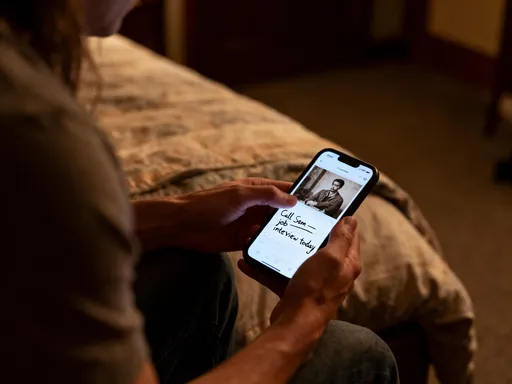
A learning tracker can be as simple as a note in your phone, a checkbox on a calendar, or a free app that logs your daily efforts. The magic isn’t in the tech—it’s in the consistency. When you record that you spent 10 minutes learning Spanish, or that you finished a chapter, or even that you just showed up and tried, you’re creating a record of your growth. No one else has to see it. It’s just for you.
What surprised me most was how motivating a simple streak could be. Seeing "7 days in a row" didn’t make me feel pressured—it made me feel proud. I didn’t want to break it, not because I was chasing perfection, but because I could see how far I’d come. And when life got busy, and I missed a day? The tracker didn’t scold me. It just waited. And the next morning, it gave me a clean slate.
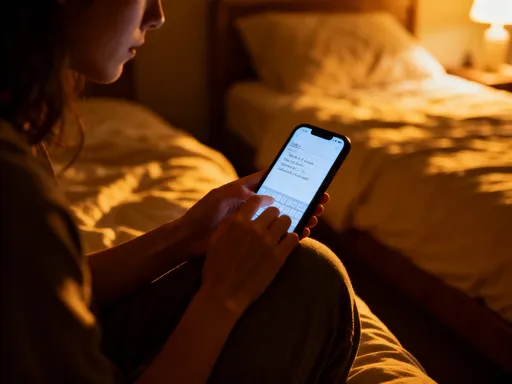
The best part? These tools don’t need to be fancy. I started with a basic app that lets me pick what I’m working on—reading, journaling, language practice—and then log my time with one tap. No syncing, no notifications, no complicated setup. I open it right after I pour my coffee, spend a minute logging yesterday’s effort, and set a gentle reminder for today. It takes less than two minutes. But it changes everything.
My First Week: From Skeptic to Believer
I’ll admit it: I didn’t believe this would work. I’d tried so many systems before—planners, habit journals, motivational quotes on the fridge. Nothing stuck. So when I downloaded my first learning tracker, I did it half-heartedly. "Fine," I thought. "I’ll try it for a week. What’s the worst that could happen?"
Day one: I read six pages of a book about emotional resilience. Logged it. Felt… nothing. Day two: I did a short podcast on mindful communication. Logged it. Still not impressed. But by day three, something small happened. I woke up and thought, "I should probably do my reading before I check my phone." That was new. I wasn’t doing it because I had to—I was doing it because I wanted to keep the streak alive.
Day five: I woke up late. The kids were loud. The dog needed walking. I thought, "Forget it. I’ll do it tonight." But then I remembered my tracker. I sat on the couch with my tea, opened the book, and read for exactly eight minutes. I logged it. And in that moment, I had a quiet realization: "I’m actually doing this." Not perfectly. Not heroically. But consistently. And that felt better than any grand gesture.
By the end of the week, I didn’t need motivation. I had momentum. I looked forward to those quiet minutes. They became my anchor. And the tracker? It wasn’t the hero of the story. It was the quiet supporter, the one that helped me see what I was already capable of. I didn’t need to change who I was—I just needed a small tool to help me remember my own strength.
Designing Your Morning: Matching Tools to Your Life
One of the biggest mistakes I made early on was trying to fit my life into someone else’s routine. I read blogs about women who meditated for 30 minutes, wrote five pages in a gratitude journal, and ran five miles before breakfast. And I thought, "I’ll never be that person." But here’s what I’ve learned: your morning routine doesn’t have to be impressive to be powerful. It just has to be yours.
So when choosing a learning tracker, don’t look for the fanciest app. Look for the one that fits your life. Do you love writing by hand? Use a small notebook and check off each day. Do you prefer speaking your thoughts? Try a voice note app where you record what you did each morning. Do you like digital reminders? Pick a simple app with a clean interface and no distractions.
The key is ease. If it feels like a chore, you won’t stick with it. I’ve found that the best systems are the ones that take less than two minutes to use. For me, that means opening my tracker right after I pour my coffee. It’s become part of the ritual. Coffee. Tracker. Then, my 10 minutes of learning. No pressure. No guilt. Just a small act of care.
And don’t feel like you have to track everything. Start with one thing—reading, journaling, language practice, even listening to a podcast on a topic you care about. Let that be your anchor. Once it feels natural, you can add another habit if you want. But most of us don’t need more to do—we need more consistency with what already matters.
Also, privacy matters. Your tracker should feel safe. It’s not for social media. It’s not for comparison. It’s for you. That’s why I avoid apps that share data or push you to post your progress. This is personal growth, not a performance.
Beyond the Screen: How Tracking Builds Confidence and Calm
Here’s something I didn’t expect: using a learning tracker didn’t just help me read more or learn faster. It changed how I feel about myself. Every time I log a session, I’m reinforcing a quiet truth: "I keep my promises to myself." And that builds self-trust. Slowly. Gently. But powerfully.
That self-trust spills over into other parts of life. When I had to prepare for a presentation at my community group, I didn’t panic. I thought, "I’ve shown up every morning this week. I can do this too." When my son was struggling with his science project, I didn’t get frustrated. I remembered my own small steps and said, "Let’s take it one piece at a time." The calm I’ve gained from my morning practice has become a gift I give to others.
And let’s talk about guilt—the kind that comes from feeling like you’re not doing enough. I used to carry that like a heavy bag. But now, when I look at my tracker and see a week of small efforts, I feel lighter. I’m not chasing perfection. I’m honoring progress. And that shift—from guilt to gratitude—has been life-changing.
What’s beautiful is that this isn’t just about personal growth. It’s about family well-being too. When I feel more centered, I show up better for my loved ones. I listen more. I react less. I have more energy to share. And sometimes, my daughter even sits beside me with her own book, and we read together in silence. Those moments? They’re priceless.
Making It Last: Turning Mornings Into a Lifelong Habit
The real challenge isn’t starting. It’s continuing. We’ve all begun something with excitement—only to lose steam a few weeks later. So how do you make this last?
First, be kind to yourself. There will be days you miss. Mornings get chaotic. Kids get sick. Life happens. And that’s okay. The goal isn’t perfection. It’s consistency. Think of it like watering a plant. You don’t need to flood it every day. Just a little each day keeps it alive. Same with your morning practice. Even five minutes counts. Even opening your book and reading one paragraph—log it. Celebrate showing up.
Second, adjust as you go. Maybe you start with reading, but after a few weeks, you’d rather journal. That’s fine. Let your tracker evolve with you. The tool should serve your life, not the other way around. I switched from language learning to personal development books last month—and my motivation soared. Because it felt right.
Third, celebrate the quiet wins. No one may notice that you’ve read 20 pages this week. But you know. And that matters. Sometimes I take a moment on Sunday night to look back at my week. I don’t measure how much I’ve learned—I measure how I’ve felt. Calmer? More focused? More like myself? That’s the real progress.
And finally, remember why you started. It wasn’t to become someone else. It was to become more of who you already are. More present. More confident. More at peace. Those 10 minutes each morning aren’t just about learning—they’re about self-respect. They’re about saying, "My growth matters. My time matters. I matter."
So if you’ve been waiting for the perfect time to begin, let me tell you: it’s already here. You don’t need more willpower. You don’t need more hours. You just need a small tool, a quiet moment, and the courage to show up for yourself—again and again. Because those tiny wins? They don’t stay small. They grow into something beautiful. And one day, you’ll look back and realize: your mornings didn’t just change your day. They changed your life.