Watched 127 Cooking Videos in 3 Weeks: The Playlist That Finally Tamed My Mealtime Chaos
Life feels a little lighter when dinner doesn’t turn into a daily crisis. If you’ve ever stared into the fridge, overwhelmed and unsure what to make—again—you’re not alone. I was right there, caught in the cycle of takeout guilt and recipe overload. Then I found a simple trick: short, daily video tips that quietly reshaped how I eat. No strict rules, no pressure—just small, doable steps that added up. Let me show you how it worked.
The Dinner Dilemma: When Hunger Meets Decision Fatigue
It’s 6 p.m. You’re tired. The kids are hungry. The dog needs walking. And you’re standing in front of an open fridge, scanning the same ingredients you saw yesterday, wondering why nothing looks like a meal. We’ve all been there—faced with that moment of decision fatigue when the easiest option wins, even if it’s not the best one. For me, that meant weekly takeout runs, greasy containers piling up, and a quiet sense of guilt. I wasn’t lazy. I wasn’t clueless. I was just too drained to think.
And it wasn’t just about the food. It was about the broken promise—the one I made to myself each Sunday: “This week, I’ll cook more. I’ll eat better.” By Wednesday, that promise was buried under a pile of unchopped carrots and expired yogurt. I had recipe apps, cookbooks, Pinterest boards full of beautiful dishes—but none of them helped in that moment of exhaustion. What I needed wasn’t another five-step curry recipe. I needed something simpler. Something that didn’t ask me to be a chef, just a person who wanted to feed herself and her family without stress.
The truth is, mealtime isn’t just about nutrition. It’s emotional. It’s tied to care, to routine, to love. When dinner becomes a daily battle, it chips away at your confidence. You start to feel like you’re failing at something basic—something that should come naturally. I realized I didn’t need more information. I needed support. And I found it in the most unexpected place: short cooking videos.
How Video Tutorials Became My Kitchen Co-Pilot
It started with one video. Five minutes long. A woman in a cozy kitchen showed how to turn last night’s roasted chicken into a quick stir-fry with frozen veggies and soy sauce. Nothing fancy. No special ingredients. But it worked. I tried it that night, and suddenly, my leftovers didn’t feel like a chore—they felt like a win. That small success made me curious. I searched for more: “easy weeknight meals,” “no-cook dinners,” “how to use up veggies before they go bad.”
What I discovered wasn’t gourmet cooking. It was real-life cooking. Short clips—most under three minutes—showing simple techniques, smart swaps, and clever ways to stretch ingredients. Unlike long recipe videos that demanded exact timing and perfect plating, these felt doable. They were made for people like me: busy, tired, and just trying to get something edible on the table.
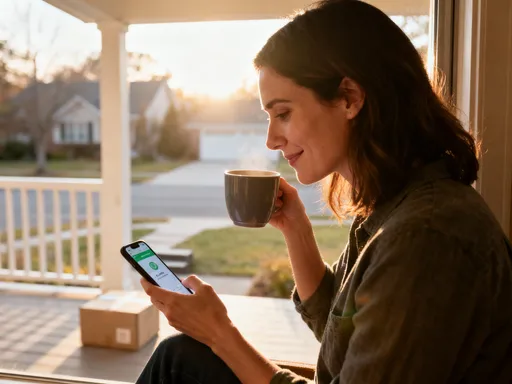
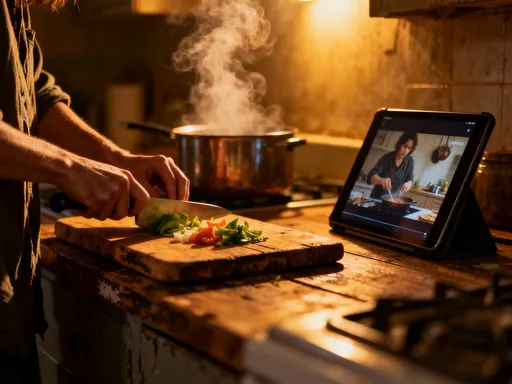
I began to watch a few each day—while my coffee brewed, during lunch, or while folding laundry. They weren’t lessons in the traditional sense. They were more like whispers of encouragement: “You can do this. It doesn’t have to be perfect.” One showed how to make a grain bowl with whatever you have. Another taught me to keep a jar of flavored oil in the fridge for instant flavor. Slowly, I started to feel less overwhelmed. The videos didn’t replace my judgment—they supported it. They became my kitchen co-pilot, gently guiding me through the chaos.
Why Short, Daily Tips Work Better Than Full Meal Plans
Let’s be honest: most meal plans fail. Not because they’re bad ideas, but because they ask too much. They want you to plan seven dinners, shop for 20 ingredients, and cook like a weekend warrior—all while managing a full-time job, kids, and life. It’s no wonder so many of us give up by Tuesday.
What I found was different. Instead of a rigid plan, I got tiny, bite-sized ideas. A 90-second clip on “how to build a balanced plate” taught me to think in layers: protein, veggie, grain, flavor. No rules, no guilt—just a simple framework. Another video showed how to cook a big batch of lentils on Sunday and use them all week in salads, soups, and wraps. These weren’t grand transformations. They were small nudges that made healthy eating feel possible.
And here’s why video works better than text or a meal plan PDF: it’s visual, it’s fast, and it sticks. Seeing someone chop a tomato, drizzle oil, or stir a pot makes it feel familiar. You’re not just reading instructions—you’re watching a real person do it, mess-ups and all. That builds confidence. Plus, short videos fit into real life. You don’t need an hour to learn something useful. You need 90 seconds while you wait for the kids’ bathwater to run.
The psychology is simple: small wins build momentum. When you succeed at one tiny thing—like adding spinach to your scrambled eggs—you’re more likely to try another. Video made those small wins accessible, repeatable, and normal.
Building a Personalized Playlist for Real-Life Eating
I didn’t follow one channel or one person. Instead, I built my own playlist—like a personal cooking mixtape. I pulled clips from different sources: a public health educator’s channel, a home cook with a tiny kitchen, a nutritionist who focused on practical eating. I looked for videos that matched my life: quick, low-waste, and flexible.
I organized them into themes. “Pantry Meals” included videos on turning canned beans into a hearty stew or making a pasta sauce from tomato paste and herbs. “Quick Fixes” had clips like “5-minute avocado toast upgrades” or “how to revive sad lettuce.” “Mindful Eating” featured gentle reminders to slow down, chew, and enjoy your food—even if it’s not Instagram-worthy.
The key was consistency, not intensity. I didn’t watch all 127 videos in one weekend. I watched two or three a day—never more than five minutes total. I saved them in a private playlist so I could access them easily, even when my phone was low on battery. And I didn’t pressure myself to try every tip. Some I used right away. Others sat in the back of my mind until the moment felt right.
One video showed how to freeze herbs in olive oil for later use. I didn’t try it for two weeks—but when I did, it felt like a secret kitchen hack. Another taught me to keep a “use-me-first” box in the fridge for items about to expire. That one cut my food waste in half. These weren’t life-changing on their own—but together, they reshaped how I thought about cooking.
From Watching to Doing: Turning Tips into Daily Wins
Here’s the thing: watching isn’t enough. The real shift happened when I started applying what I learned—one small step at a time. I didn’t overhaul my kitchen. I didn’t buy new gadgets. I just picked one idea and tried it.
My first move? The “veggie-first” rule. After a video showed how adding vegetables to a meal naturally balances it, I started asking myself: “What veggie can I add?” Not instead of meat, not as a punishment—but as a way to make the meal more satisfying. I added shredded carrots to spaghetti sauce. I tossed frozen peas into scrambled eggs. I roasted sweet potatoes alongside chicken. It wasn’t perfect, but it was progress.
Then came the “one-pan meal” rule. Another video showed how to toss everything onto a sheet pan—protein, veggies, seasoning—and let the oven do the work. No multiple pots. No cleanup nightmare. I started with simple combos: chicken thighs, broccoli, and garlic. Later, I tried salmon with asparagus and lemon. Each time, I felt a little more capable, a little less stressed.
I made mistakes. I burned a pan. I overcooked rice. But the videos didn’t judge. They just kept offering ideas—gentle, practical, and kind. And slowly, I stopped seeing cooking as a test I had to pass. It became a practice—a way to care for myself, one small choice at a time.
The Ripple Effect: How Better Eating Calmed My Whole Day
What surprised me most wasn’t the healthier meals. It was how much calmer I felt overall. When dinner stopped being a source of stress, I had more mental space for everything else. I wasn’t rushing to order takeout while helping with homework. I wasn’t lying awake, thinking about tomorrow’s lunch. That mental clutter lifted.
I started sleeping better. Not because I was eating kale every night, but because I wasn’t carrying the weight of daily food guilt. I had more energy—not from a superfood, but from consistency. Small, doable choices added up to a bigger sense of control.
My relationship with food changed. It became less about rules and more about care. I wasn’t trying to “eat clean” or lose weight. I was trying to feel better. And when you feed yourself with kindness—even if it’s just adding a handful of frozen corn to a bowl—you send a quiet message: I matter.
This shift spilled into other parts of my life. I felt more patient with my kids. I had more focus at work. I even started taking walks after dinner, not as exercise, but as a way to enjoy the evening. The kitchen became a place of calm, not chaos. And that calm followed me through the rest of my day.
Your Turn: Start Small, Stay Consistent, Feel the Shift
You don’t need a fancy kitchen. You don’t need to love cooking. You don’t need to watch 127 videos. You just need one helpful tip a day—delivered in a way that fits your life. And video might be the gentlest, most effective way to get it.
Start by searching for something specific: “easy vegetarian dinners,” “how to cook quinoa,” “no-cook lunch ideas.” Look for creators who feel relatable—not perfect, but real. Watch one video. Try one tip. See how it feels. Save the ones that resonate. Build your own playlist over time.
And remember: this isn’t about perfection. It’s about progress. It’s about giving yourself small wins—tiny moments of “I did that”—that add up to real change. When you use technology not to distract you, but to support you, it becomes a tool for care. A way to feed your body, your mind, and your spirit.
Because here’s the truth: you don’t need to transform your life in one week. You just need to show up for yourself, one meal at a time. And sometimes, all it takes is a two-minute video to remind you that you can.