From Chaos to Calm: How a Simple Photo App Gave Me My Life Back
Have you ever felt overwhelmed just opening your phone’s photo gallery? I used to scroll through thousands of blurry shots, duplicates, and forgotten memories—until one app quietly changed everything. It didn’t just organize my photos; it helped me rediscover moments I’d missed, freed up mental space, and brought joy back to my daily routine. This is more than tech—it’s about reclaiming peace, one photo at a time. If you’ve ever lost a precious moment in a sea of digital clutter, you’re not alone. And the good news? Relief is closer than you think.
The Moment I Realized My Photos Were Controlling Me
It started with something small—a birthday. My youngest daughter was turning eight, and I wanted to surprise her with a slideshow of her life. I opened my phone, heart full of love and nostalgia, ready to relive her journey from baby to big kid. But instead of warmth, I found chaos. Thousands of photos. Blurry kitchen snaps. Screenshots of grocery lists. Duplicates of the same school photo taken five times because I wasn’t sure which one uploaded. I searched “birthday” and got 473 results. None of them were the one I wanted.
I sat there for over an hour, thumb aching, eyes tired, frustration building. Where was that perfect shot of her blowing out candles, cheeks puffed, eyes closed in concentration? I knew it existed. But finding it felt impossible. And in that moment, something shifted. It wasn’t just about a photo anymore. It was about how much of my life was buried under digital noise. I wasn’t managing my memories—I was drowning in them. The irony hit me hard: I took photos to preserve joy, but they were stealing my peace instead. That night, I went to bed with a headache and a heavy heart. My phone, once a tool, had become a source of stress. And I knew I wasn’t alone. So many of us carry this invisible weight—photos we can’t find, moments we can’t enjoy, because we’re too busy sorting, searching, and scrolling.
Why We Collect Photos Like Souvenirs—And Why That Backfires
We don’t just take photos—we collect them like emotional souvenirs. That first pancake your son flipped on his own, even if it landed on the floor. The quiet sunrise during your solo morning walk after a hard week. The way your dog looked when he finally got that squeaky toy stuck in his mouth. These aren’t just images. They’re proof that life is happening, that love is real, that we’re present. We snap them quickly, often without thinking, because we’re afraid to forget. But here’s the truth: capturing a moment isn’t the same as cherishing it.
Over time, our galleries turn into digital junk drawers. We keep everything because we don’t know what to let go. What if that blurry shot of the kids at the park is the last one before someone moves away? What if the lighting was bad, but their laughter was perfect? We hold on, not because we need the photo, but because we need the feeling it represents. And that’s where the problem grows. Sentiment becomes a prison. We’re too attached to delete, too overwhelmed to organize. Even the most practical among us—those who meal prep, color-code calendars, and fold socks in pairs—can’t seem to tame the photo chaos. I’ve talked to so many women like me, moms, sisters, daughters, who say the same thing: “I know I should clean it up, but I just… can’t.” It’s not laziness. It’s emotional exhaustion. We’re not just sorting files—we’re sorting feelings. And without a simple, gentle way to do it, we freeze. The result? Thousands of photos we never see, memories we never revisit, and a constant low hum of guilt in the back of our minds.
Finding the App That Felt Like a Friend, Not a Tool
I’d tried other photo apps before—ones that promised miracles but delivered confusion. Some wanted me to upload everything to the cloud, which scared me. Others asked me to tag every person, every place, every event. Who has time for that after packing lunches and paying bills? Then I found one that didn’t ask for anything. It just… started helping. No tutorials. No complicated menus. No pressure. It worked quietly in the background, sorting my photos by faces, locations, and even events—like “Beach Trip 2022” or “Thanksgiving at Mom’s.” I didn’t have to lift a finger.
What surprised me most was how it felt personal. When it recognized my daughter’s face in 98% of the photos, it didn’t scold me. It gently created a folder labeled “Emma,” and there she was—every stage of her life, in order. I could see her grow from toddler to third grader with just one tap. It grouped our family trips by year and place, so “Lake House 2019” wasn’t buried under random screenshots. But the real magic happened when it started showing me things I’d forgotten. One morning, it popped up with a card: “One year ago today—remember this?” It was a short video of my nephew laughing on a swing, his little legs kicking the air. I had no idea I’d even taken it. I sat on the edge of my bed and watched it twice, tears in my eyes. That’s when I realized this wasn’t just an app. It was a quiet companion, helping me see what mattered. It didn’t feel like technology. It felt like care.
How My Mornings Changed When I Stopped Managing Memories
Before, my mornings started with stress. I’d reach for my phone to check the weather or send a quick text, and suddenly I’d be sucked into the photo vortex. “Wait, did I save that school form? Is the dentist appointment photo still here?” The little tasks would snowball, and before I knew it, I was late, frazzled, and already behind. My phone, which was supposed to make life easier, had become a minefield of unfinished digital chores.
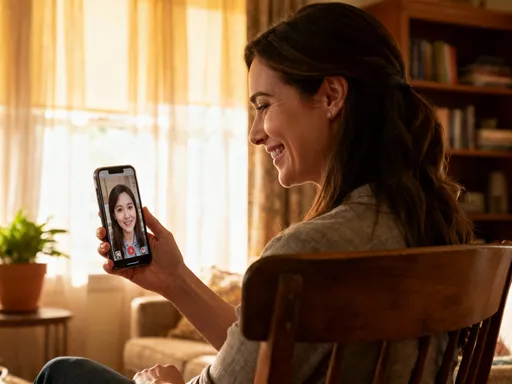
After the app sorted everything, that changed. I opened my phone and actually smiled. No more panic. No more endless scrolling. When my sister texted, “Send me that pic of Mom from Christmas,” I found it in three seconds. When my daughter needed a photo for a school project, I pulled it up while stirring oatmeal. The mental load lifted in a way I didn’t expect. It wasn’t just about photos—it was about trust. I could finally believe that my memories were safe, organized, and easy to find. That tiny shift created ripple effects. I was calmer. More present. I stopped multitasking my anxiety. I started enjoying small moments again—like sharing a funny pet video with my sister over coffee, or sending my mom a sweet throwback just because. The app didn’t give me more time, but it gave me back my focus. And that made all the difference.
Rediscovering Lost Moments—and the Feelings That Came With Them
One rainy afternoon, the app surprised me with a “Memory” notification. It said, “Two years ago today: Jack’s first steps.” I clicked it, and there it was—a 20-second video I had no memory of taking. There he was, my nephew, wobbling in the living room, arms out like a tiny airplane, then stumbling forward with a giggle. My sister had posted about it on social media, but I’d missed it in the feed. I’d never saved the video. And yet, there it was, waiting for me.
I played it three times. Then I called my sister. “Did you know this existed?” I asked, my voice thick. We both cried a little. It wasn’t just nostalgia. It was connection. It was joy I thought I’d lost. That moment taught me something powerful: when our memories are buried, so are our feelings. We think we’re keeping them safe by saving everything, but if we can’t find them, they’re not really saved at all. This app didn’t just organize photos—it revived emotions. It turned passive storage into active gratitude. Now, I look forward to those little memory cards. They’re like gifts from my past self, saying, “Hey, remember this? This mattered.” And they do. A photo of my dog napping in a sunbeam. A clip of my mom singing off-key at a family barbecue. These aren’t just data—they’re emotional anchors. And now, instead of being lost in the noise, they’re part of my daily life. I’m not just remembering. I’m feeling again.
Teaching My Parents to Let Go—And Reconnect
My mom has always been a photo keeper. Not digital, at first—she had albums, shoeboxes, framed prints everywhere. When she got her first smartphone, she started taking pictures of everything. Now, at 72, her phone holds over 10,000 photos. Most of them unsorted. When I visited last winter, she wanted to show me pictures from her trip to Ireland, but it took 20 minutes just to find one. “I know they’re here,” she kept saying, swiping frantically. “But I don’t know how to fix it.”
I showed her the app. I didn’t make her do anything—just installed it and let it work. A week later, she called me, voice bright. “I found the Cliffs of Moher photos! And it made a whole album for the trip!” Then, quieter, she said, “I saw your dad on the ferry. He was laughing at the seagulls. I’d forgotten that.” That moment cracked something open. She started exploring her memories not with frustration, but with curiosity. She shared albums with my brother. She even printed a few new favorites. The app didn’t just organize her photos—it helped her let go of the guilt she’d been carrying. She didn’t have to save every single shot to honor the past. She could choose the ones that brought her joy. And in doing so, she reconnected with her story, her family, her life. For her, this wasn’t about tech. It was about peace. And watching her find it? That was one of the most beautiful side effects of all.
Living Lighter in a Digital World—One Photo at a Time
This journey wasn’t about pixels, storage space, or cloud backups. It was about emotional freedom. By organizing my photos, I didn’t just tidy my phone—I cleared mental clutter, reclaimed time, and rediscovered joy. I stopped feeling guilty about what I hadn’t sorted and started celebrating what I’d saved. The right technology, used with intention, can be a quiet force for good. It can give us space to breathe, to connect, to feel.
For women like us—juggling roles, holding families together, often putting ourselves last—small acts of self-care matter. And this? This is self-care. It’s not about being perfect. It’s about being present. It’s about turning the digital chaos we’ve been taught to accept into a source of calm and connection. You don’t need to spend hours sorting. You don’t need to delete everything. You just need one tool that understands you—not as a user, but as a person with memories, love, and a life worth seeing clearly. Today, my phone feels different. Lighter. Kinder. And when I open it, I don’t dread the scroll. I look forward to the surprises—the memories that rise to the surface, the faces that make me smile, the moments that remind me: this is my life. And it’s beautiful. If you’re tired of feeling overwhelmed by your own memories, I want you to know—there’s another way. Start small. Let the tech help. And let yourself remember, really remember, what matters.