We never remember the little things — How video editing quietly became our family’s memory keeper
You know that moment when your child says their first word, or your parents laugh at an old joke? We all say, “I’ll remember this forever,” but truth is, we don’t. Time blurs. Details fade. I thought those moments were lost—until we started making simple videos together. It wasn’t about being filmmakers. It was about staying connected. And surprisingly, the act of editing helped us track not just memories, but how much we’ve grown—together. Those tiny, unremarkable seconds—your daughter twirling in her rain boots, your mom humming while folding laundry—they’re the ones that vanish the fastest. But what if we could hold on, just a little longer?
The Moments We Thought We’d Remember—But Didn’t
Remember your last family birthday? The candles, the laughter, the slightly lopsided cake? In the moment, it feels like it’s etched into your soul. You think, This is it. This is what I’ll carry with me. But fast-forward six months, and all that’s left is a blur. Maybe a photo or two, but even those feel distant, like they happened to someone else. I used to believe my memory was good—until I realized how much I’d already forgotten. My son’s first time riding his bike without training wheels? I remember the helmet, the scraped knee, but not his face when he realized he was doing it. Not the sound of his voice shouting, “Look, Mom!” That moment—so big in the living of it—was nearly gone.
And it wasn’t just the milestones. It was the quiet in-betweens: my daughter’s sleepy smile at breakfast, my husband’s silly dance while waiting for the coffee to brew. These weren’t grand events, but they were the fabric of our days. The truth is, our brains aren’t built to preserve the ordinary. We remember the firsts, the lasts, the crises—but the soft, steady hum of everyday love? That slips through our fingers. I started to feel a quiet grief, not for anything dramatic, but for the slow erosion of the small things that made us us. I didn’t want to lose them. I just didn’t know how to keep them.
Then one evening, I was scrolling through my phone, as we all do, and I stumbled on a 12-second clip I’d forgotten I’d taken. It was my daughter, maybe five years old, trying to blow out birthday candles and giggling instead. Her hair was messy, the lighting was terrible, and the audio was muffled by background noise. But in that shaky, imperfect little video, I heard her laugh—really heard it. And suddenly, I was back in that room. The smell of cake, the warmth of the candles, the way my heart swelled. It hit me: this wasn’t just a recording. It was a time machine. And it made me wonder—what if I didn’t just leave these clips buried in my camera roll? What if I actually used them?
From Phone Storage to Shared Stories: How We Started Editing
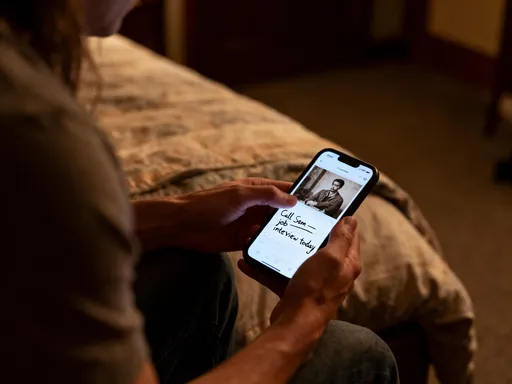
I didn’t set out to become a family documentarian. I didn’t even know how to edit a video. But I knew I wanted to do something with those clips—something that felt meaningful. So one weekend, while the kids were building a blanket fort, I opened the editing app on my phone. The one that came with it. No downloads, no tutorials, no pressure. I just pulled up a few clips from my son’s last birthday and started dragging them into a timeline. It felt awkward at first, like trying to write with my non-dominant hand. But within ten minutes, I had a rough little montage: cake, candles, presents, laughter. I added some bouncy music from the app’s library—something cheerful and simple. Then I hit play.
It wasn’t perfect. The transitions were clunky. The music didn’t sync exactly. But when I showed it to my husband, he smiled in a way I hadn’t seen in weeks. “That’s him,” he said. “That’s our boy.” That moment—his quiet recognition—was the spark. We decided to make a version for my mom, who’d missed the party due to travel. I added a title at the beginning: “For Grandma, with love.” When she watched it, she called us that night, her voice thick. “I felt like I was right there,” she said. “I got to see his face when he opened the toy truck. I didn’t even know he’d done that!”
That’s when it clicked: editing wasn’t about creating a masterpiece. It was about sharing—not just the event, but the feeling. The act of choosing which clip to include, which moment to highlight, made me relive it all over again. I wasn’t just watching the memory—I was reconnecting with it. And when others watched it, they weren’t passive viewers. They became part of the story. We didn’t need fancy software or a tripod. We just needed the clips we already had and the willingness to spend ten minutes putting them together. It wasn’t filmmaking. It was love, edited into four minutes.
The Unexpected Power of Pausing: How Editing Slows Down Time
Here’s something I never expected: editing a video feels nothing like scrolling through photos. Scrolling is fast, automatic, almost numb. You swipe, you see, you move on. But editing? Editing makes you stop. You have to watch that clip of your daughter jumping in the puddle three times just to pick the best second. You listen to your dad’s joke again because you want the exact moment everyone bursts into laughter. You pause, you rewind, you pay attention. And in that attention, something shifts.
It’s like mindfulness, but with a purpose. When I’m trimming a clip of my family walking through the park in autumn, I notice things I didn’t the first time: the way my son kicks up leaves just to hear the crunch, how my daughter holds my hand a little tighter when a dog barks nearby. These weren’t the “main” parts of the memory, but they’re the ones that make it real. The editing process forces me to slow down and really see my family—not as I remember them, but as they actually were in that moment. And that changes how I feel about them now.
There’s also a rhythm to editing that’s deeply calming. Syncing a clip to music, adjusting the pace, adding a fade-in—it’s like a quiet meditation. I’m not thinking about my to-do list or the laundry. I’m fully present with a memory, shaping it gently, like kneading dough. And when I’m done, I don’t just have a video. I have a deeper connection to that moment, to the people in it, and to myself. It’s not just about preserving the past. It’s about bringing a little peace into the present. In a world that moves too fast, editing gives me permission to pause, to breathe, and to remember what matters.
Tracking Growth Without Numbers: Goals That Matter
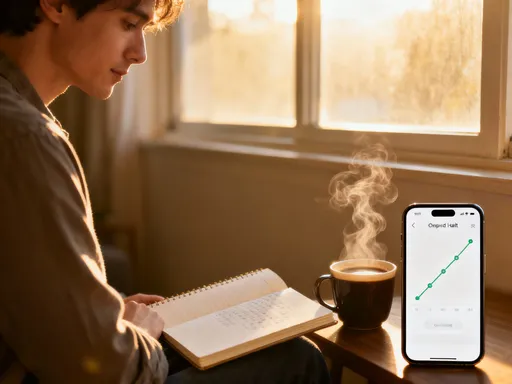
We’re obsessed with tracking things—steps, sleep, screen time. But what about tracking the things that truly change our lives? Like how your daughter learned to tie her shoes. Or how your family started taking walks together after dinner. These aren’t measurable in apps, but they’re milestones just the same. And video editing has become our way of tracking them—not with graphs, but with stories.
Last winter, my son was afraid to ride his bike. He’d try, fall, cry, and give up. By spring, he was still hesitant. So we made a little video of his first real ride—just a short loop around the driveway. I added text: “March 12, 2023. First real ride. No training wheels!” We watched it together that night, and he grinned from ear to ear. “I did it,” he said. “I really did it.” That video became a touchstone. Whenever he felt unsure about something new, we’d pull it up. It wasn’t about bragging. It was proof—visual, emotional proof—that he could grow, that he could overcome fear.
And it’s not just for kids. I made a video last year of our first family walk after a long, hard winter. Everyone was bundled up, stomping through slush, complaining about the cold. But by the end, we were laughing, throwing snowballs, and planning where to get hot chocolate. I called it “The First Walk of Spring.” When I showed it to my husband months later, he said, “I forgot how bad the start was. But look at us now.” That’s the power of these videos—they don’t just show progress. They show transformation. They remind us that small steps add up. That we’re not stuck. That we’re moving, growing, becoming.
And the best part? No one has to “win” or “achieve” anything big. Just showing up, trying, being together—that’s the goal. And when you can see it, hear it, feel it in a video, it becomes real in a way words on a list never could.
Making It a Ritual: How We Built a Monthly Edit Night
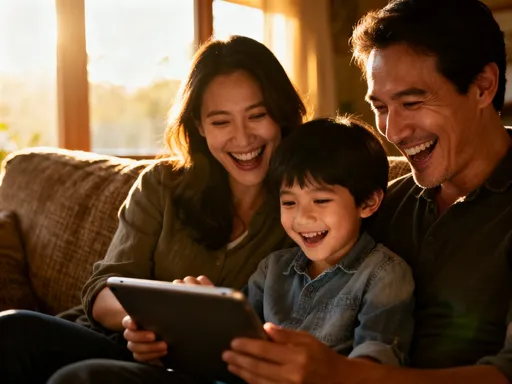
At first, editing was something I did alone, late at night, after everyone was asleep. But it felt lonely. So I decided to make it a family thing. We started “Edit Night”—every second Friday of the month, after dinner. No pressure, no rules. Just us, snacks, and the tablet on the coffee table. The kids pick the music (within reason—no heavy metal at 7 p.m.), I handle the timeline, and my husband adds subtitles when someone’s talking with their mouth full.
The first few times, it was chaotic. My daughter wanted to include every single clip of her cat. My son insisted on adding sound effects—boings, whooshes, cartoon screams. But we laughed. A lot. And slowly, it became something we looked forward to. It wasn’t about making the “best” video. It was about being together, remembering together. Now, when we travel or celebrate a holiday, the kids say, “Don’t forget to save the clips for Edit Night!” It’s become part of how we process our lives.
Here’s how we keep it simple: we use the cloud to back up everything, so no one loses footage. We name our videos with dates and events—“Summer 2023 — Beach Trip,” “Grandma’s 75th Birthday.” And we limit each video to five minutes max. That forces us to choose what matters. Sometimes we even make two versions—one silly, one sweet. The key is consistency. It doesn’t have to be perfect. It just has to happen.
And the side effect? Our kids are learning to reflect. They’re learning to notice what’s important, not just what’s loud. They’re seeing their own growth. And they’re learning that time passes—but love doesn’t have to fade with it.
Bridging Generations: When Grandparents Become Fans
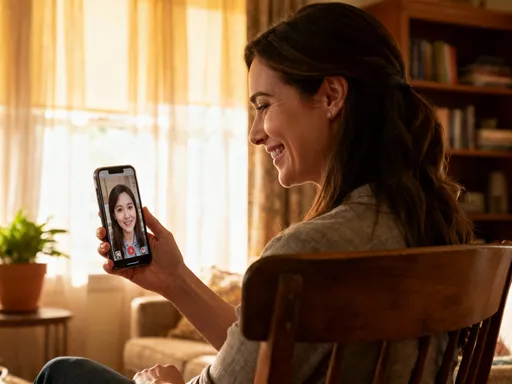
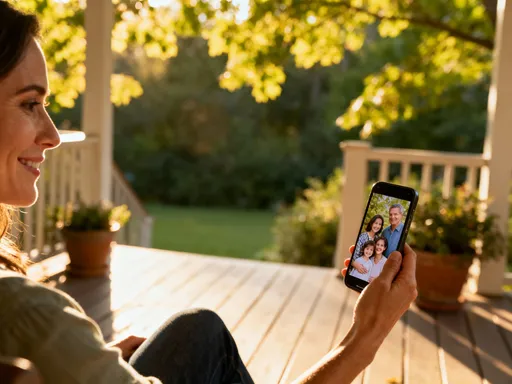
One of the most beautiful surprises has been how these videos connect us to the older generation. My mom doesn’t text much. She rarely checks social media. But she loves the videos. Every time I send one, she calls the next day. “I watched it three times,” she’ll say. “I kept rewinding to see the part where my grandson sang ‘Happy Birthday’ off-key.”
It’s not just about seeing the kids. It’s about feeling included. When we made a video of our Thanksgiving dinner—turkey disasters, pie fights, my dad telling the same joke for the 20th year—my mom cried. “It’s just like being there,” she said. “I can hear his voice. I can see how much they’ve grown.” These videos aren’t just for us. They’re lifelines to the people who love us from afar.
And sometimes, they spark conversations we wouldn’t have otherwise. After watching a clip of my daughter planting flowers in the garden, my mom told us a story about her own mother teaching her to garden as a child. That moment—my daughter in the dirt, laughing, covered in soil—became a bridge to a memory I’d never heard before. Technology didn’t create that connection. It just made space for it.
Now, my parents even started making their own little videos—short clips of their morning walks, their dog chasing squirrels, the birds at their feeder. They send them to us, and we watch together. It’s full circle. We’re not just preserving memories. We’re building new ones, together, across the miles.
Not Perfect, But Ours: Why Imperfect Videos Matter Most
Let’s be honest: our videos are a mess. The lighting is bad. The audio is spotty. Someone’s always blinking or making a weird face. The music sometimes doesn’t match the mood. And you know what? That’s exactly why I love them.
In a world where everyone shares polished, filtered, perfectly framed moments, these raw, unedited clips feel like truth. They don’t pretend we have it all together. They show us as we are—tired, laughing, messy, real. That shaky clip of my daughter dancing in the kitchen at midnight? It’s not going viral. But it’s ours. It captures the joy, the exhaustion, the love, the chaos—all of it.
And that’s the quiet rebellion in this practice: we’re not performing happiness. We’re living it. And by editing these moments—by choosing to keep them, to shape them, to share them—we’re saying, This matters. We matter. We’re teaching our kids that life isn’t about perfection. It’s about presence. It’s about showing up, even when the camera’s rolling.
These videos won’t win awards. But they’ve done something better. They’ve helped us feel more connected—to each other, to our past, to ourselves. They’ve given us a way to slow down, to remember, to grow. And on hard days, when I’m overwhelmed or forget why I do it all, I pull up an old video. I watch my son’s first bike ride. I hear my daughter’s laugh. I see my family, whole and happy, in that moment. And I remember: this is why. This is everything.